Popular E-Bike Motors in The UK
Best E-Bike Motors Explained: Bosch, Shimano, Yamaha, Bafang, Mahle and More
Quick answer
If you want a simple rule of thumb, the main e-bike motor types break down like this:
- Bosch, Shimano and Yamaha: usually the safest bet for mainstream mid-drive systems, parts support and dealer familiarity
- Brose / Specialized: very smooth and powerful on the right bike, often more premium and more brand-specific
- Giant SyncDrive: Yamaha-based hardware with Giant-specific tuning and very good real-world ride feel
- Bafang: very common on affordable and direct-to-consumer bikes, with a wide spread from basic city motors to very powerful trail motors
- Mahle, Fazua and TQ: lightweight systems that feel closer to a normal bike, often found on road, gravel and lighter hybrid e-bikes
- Zehus: neat all-in-one rear hub systems more focused on lightweight urban bikes than outright climbing power
For many used-bike buyers, Bosch, Shimano and Yamaha are the easiest place to start. If low weight and a subtle feel matter more than raw power, Mahle, Fazua and TQ are worth a close look.
Motor brand alone does not tell the whole story. A good e-bike can ride brilliantly with a lower-power motor if the bike is well designed, sensibly geared and matched to the job it was built for.
If you’re new to buying second-hand, it’s well worth reading our complete used e-bike buyer’s guide alongside this article.
Mid-drive vs hub motor: why it matters
Before getting into the individual brands, it helps to understand the two main layouts.
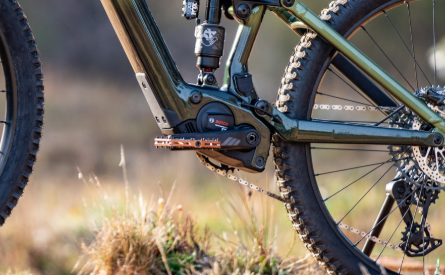
- Mid-drive motors sit around the bottom bracket and drive through the bike’s gears. They usually climb better, feel more natural, and are common on commuter, trekking and mountain e-bikes.
- Hub motors sit in the front or rear wheel. They are often simpler and cheaper, and can work very well on urban, folding and lightweight bikes, but they do not usually feel as strong on steep climbs.
That doesn’t mean hub motors are bad. In fact, lightweight rear hub systems like Mahle and Zehus can feel excellent for the right kind of riding. It just means you should match the motor type to how you actually plan to use the bike.
Bosch
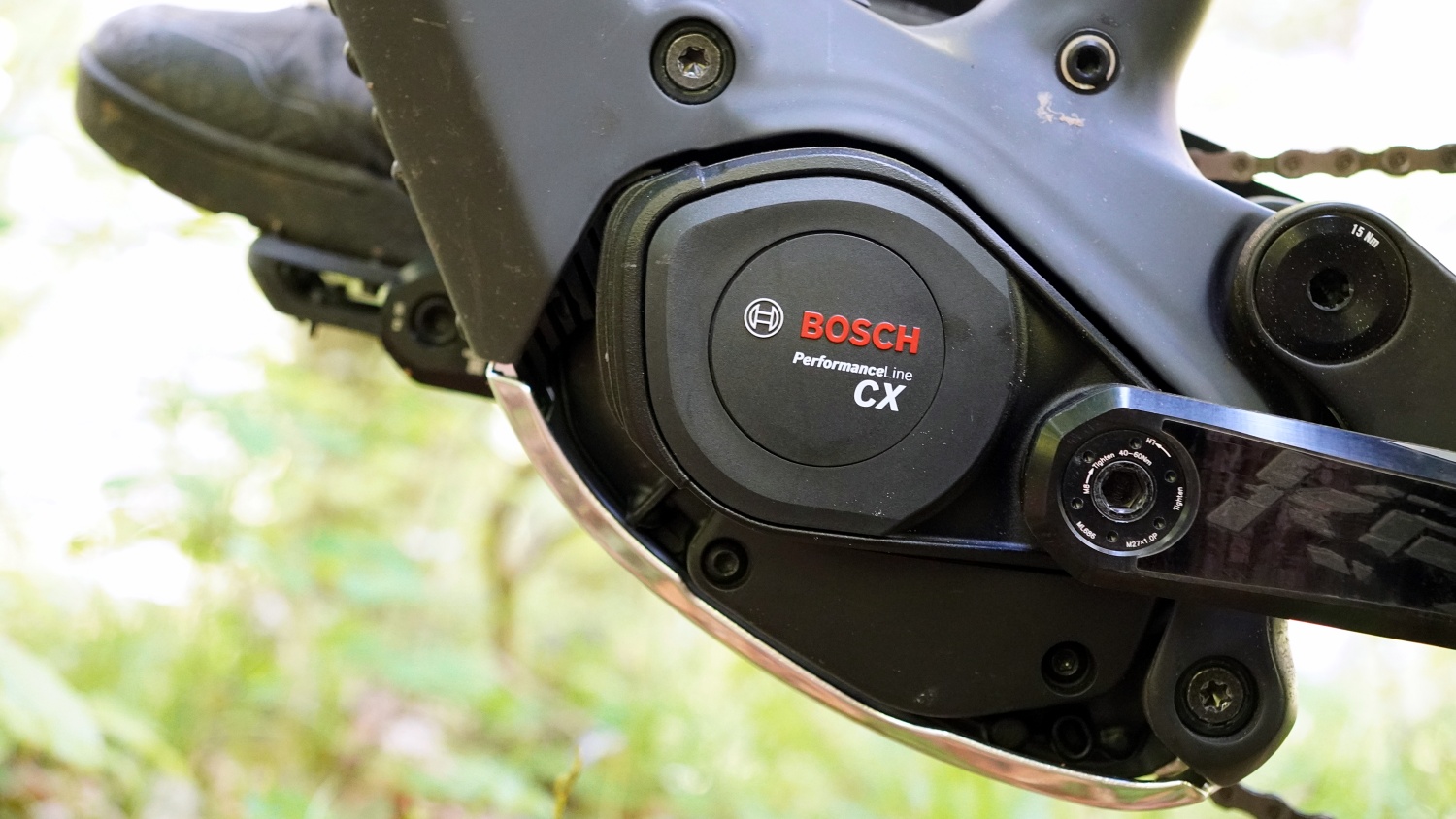
Bosch is still the benchmark many buyers look for first, particularly on used commuter, trekking and electric mountain bikes. One of the big advantages with Bosch is that the systems are widely recognised, widely supported and tend to hold value well.
Some of the better-known Bosch systems include:
- Active Line – 40Nm, quiet and gentle, aimed at city riding
- Active Line Plus – 50Nm, a little stronger and better suited to mixed leisure use
- Performance Line – 75Nm on current official Bosch specs, used for faster commuting and trekking-style riding
- Performance Line CX – the well-known high-torque Bosch e-MTB motor; many used bikes will have 75Nm or 85Nm generations, while newer Bosch material also includes higher software-upgraded versions on some systems
- Performance Line SX – 55Nm, lighter and sportier, aimed more at lightweight e-bikes
On the used market, Bosch CX is often the motor people actively search for if they ride in hilly areas or want a full-power e-MTB. For normal commuting and mixed leisure riding, Active Line Plus and Performance Line are often more than enough.
You can view full specifications and system details on the official Bosch eBike Systems website.
Shimano STEPS
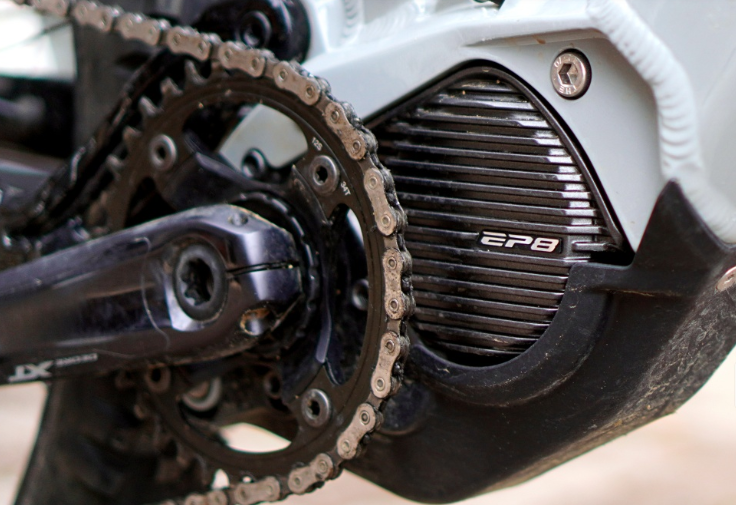
Shimano motors are very common on European e-bikes and tend to feel smooth, predictable and easy to get on with. They also integrate neatly with Shimano drivetrains, which is a plus on used bikes with matching components.
Well-known Shimano systems include:
- E5000 / E5100 – 40–50Nm, depending on the version, mainly aimed at urban and comfort bikes
- E6100 – 60Nm, a solid trekking and commuter motor
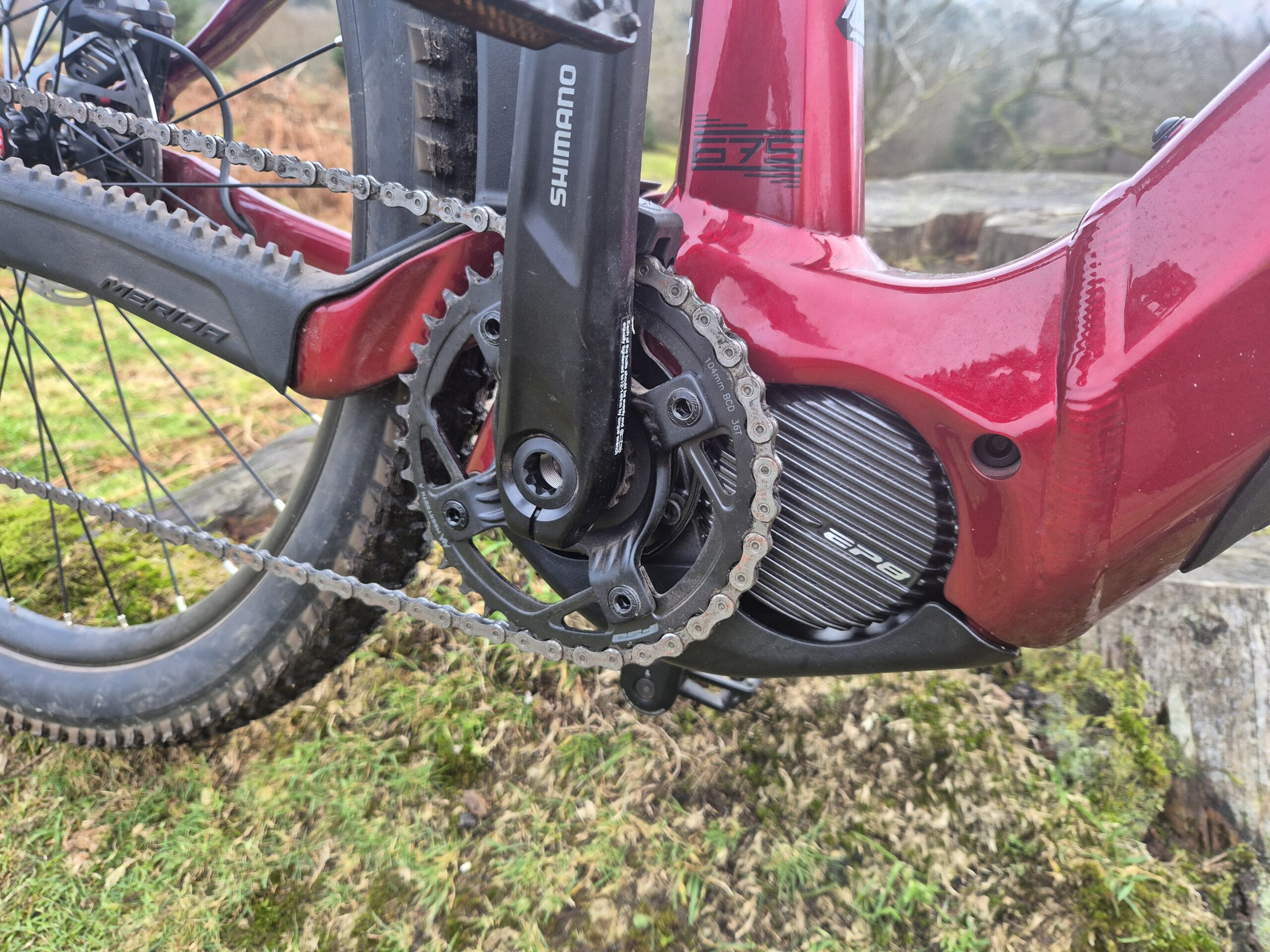
- EP6 – 85Nm, trail-capable and now seen on a lot of mid-range e-MTBs
- EP8 – 85Nm, Shimano’s best-known performance motor for e-MTB and more demanding riding
EP8 has been especially popular with riders who want a powerful but still natural-feeling mountain bike motor. E6100 and related city / trekking units are often a safer fit for everyday road use where outright punch is less important.
You can view full specifications and system details on the official Shimano e-bike systems website.
Yamaha
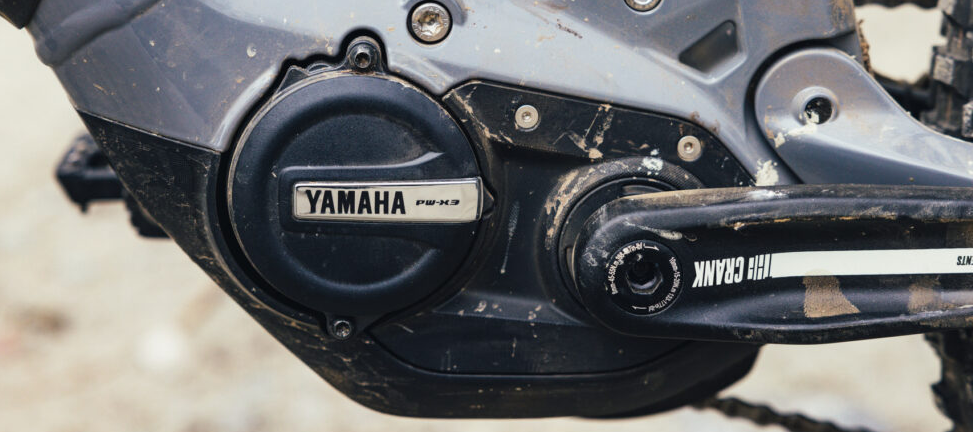
Yamaha has been in the e-bike world for a long time and makes some very strong, dependable mid-drive systems. In the UK, you’ll often see Yamaha motors on Yamaha-branded bikes, but also through other brands and through Giant’s SyncDrive partnership.
Examples include:
- PWseries CE – around 50Nm, built for city and comfort bikes
- PWseries C2 – 55Nm, a newer city-oriented option derived from the PW-CE
- PWseries ST – 70Nm, very common on trekking and all-rounder bikes
- PWseries S2 – 75Nm, lighter and more modern in feel
- PW-X3 – 85Nm, compact and powerful, aimed at e-MTB and higher-performance bikes
- PW-XM – 85Nm, Yamaha’s lighter premium magnesium-bodied e-MTB motor
Yamaha motors tend to have a punchy, capable feel, particularly on climbs. PW-ST and PW-S2 are both very relevant for used hybrid and trekking e-bikes, while PW-X3 and PW-XM are more at home on serious off-road machines.
You can view full specifications and system details on the official Yamaha eBike Systems website.
Giant SyncDrive
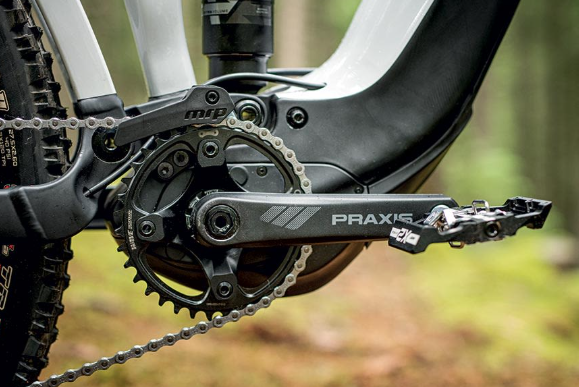
Giant’s SyncDrive motors are based on Yamaha hardware but tuned by Giant. In practice, they have their own feel and are worth treating as their own family when you’re shopping for used bikes.
- SyncDrive Core – 55Nm
- SyncDrive Sport 2 – 75Nm
- SyncDrive Pro 2 – 85Nm
Giant also makes a point of quoting these as sustainable torque figures rather than short bursts, which is useful when comparing motors. On the road, SyncDrive systems generally feel smooth, strong and well judged rather than flashy.
Brose and Specialized
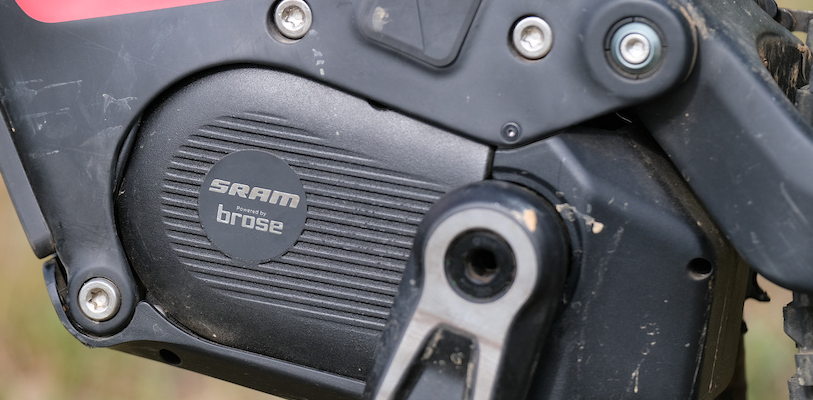
Brose is known for smooth, quiet mid-drive motors and has been used by a number of premium bike brands. In the used market, many riders will come across Brose most often through older and current Specialized Turbo models.
One thing to keep in mind with Brose-based systems is that the tune often depends heavily on the bike brand using it. That is why two bikes with related hardware can still feel very different on the road or trail.
Specialized’s Turbo Full Power 2.2 system, for example, is quoted at 90Nm on Turbo Levo models. In real terms, that puts it firmly in the full-power e-MTB camp. If you are looking at a used Specialized, it is worth checking exactly which generation of motor and software tune the bike has, because the details can vary more than people realise.
You can view full specifications and system details on the official Brose eBike website.
Bafang
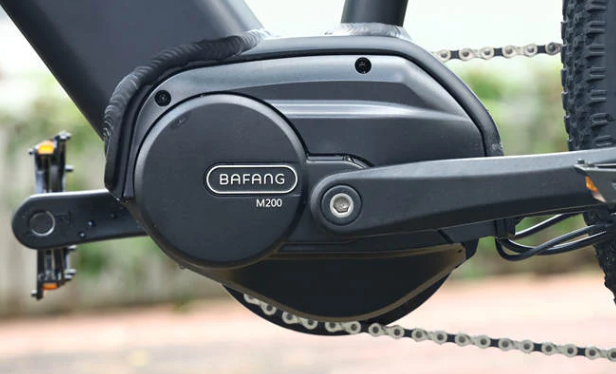
Bafang is one of the most common names in the e-bike world, especially on affordable bikes, direct-to-consumer brands and conversion-style setups. The range is very broad, covering both mid-drive and hub motor systems, which means you can’t judge a Bafang bike without knowing which motor it actually has.
Common Bafang mid-drives include:
- M200 / M210-type entry systems – generally aimed at city and entry-level e-bikes
- M400 – 80Nm, widely used on budget and mid-range bikes
- M500 – 95Nm, a more powerful e-MTB-oriented motor
- M510 – can reach 110Nm, depending on the version, aimed at higher-performance e-MTB use
Bafang hub motors are just as common, especially on commuter, folding and conversion bikes:
- Rear hub motors (e.g. G020 / G060) – simple, reliable systems widely used on budget and mid-range e-bikes
- Front hub motors – often found on conversion kits and lower-cost urban bikes
- High-torque rear hubs – used on heavier bikes like cargo or fat-tyre models
- Dual-speed automatic hub motor – a newer Bafang system that shifts internally between two gear ratios, giving better efficiency at speed while maintaining torque for hills
Bafang can offer a lot of motor for the money, which is why it shows up on so many value-focused bikes. The main thing on the used market is to check parts support, battery compatibility, display compatibility and who can actually service the system if anything goes wrong.
You can view full specifications and system details on the official Bafang website.
Mahle
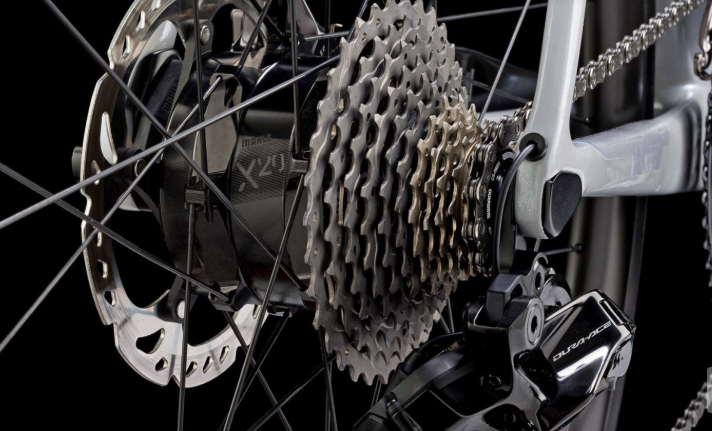
Mahle is best known for lightweight rear hub systems used on sleek road, gravel and urban e-bikes. These bikes often look much closer to normal bicycles than full-power e-bikes, which is a big part of the appeal.
- Mahle X35 – 40Nm, one of the best-known lightweight rear hub systems
- Mahle X20 – originally marketed around 55Nm, with current official Mahle material now quoting 65Nm on the latest version/upgrade
If you want a bike that still feels light and easy to pedal above the assistance limit, Mahle is a very good system to look at. It is less about brute force and more about subtle support.
You can view full specifications and system details on the official Mahle SmartBike Systems website.
Fazua
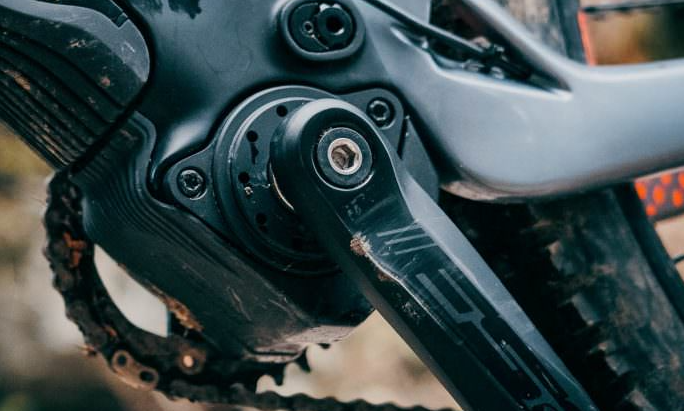
Fazua has carved out a strong niche in the lightweight e-bike world. The brand is popular on sportier road, gravel and lighter trail bikes where riders want help on climbs without the feel of a heavy full-power system.
- Ride 50 Evation – the older modular lightweight system found on a lot of earlier lightweight e-bikes
- Ride 60 – 60Nm, more powerful, quieter and more integrated than the older setup
Ride 60 has helped push lightweight e-bikes further into the mainstream because it gives noticeably more support while still keeping the overall bike relatively light and natural in feel.
You can view full specifications and system details on the official Fazua website.
TQ
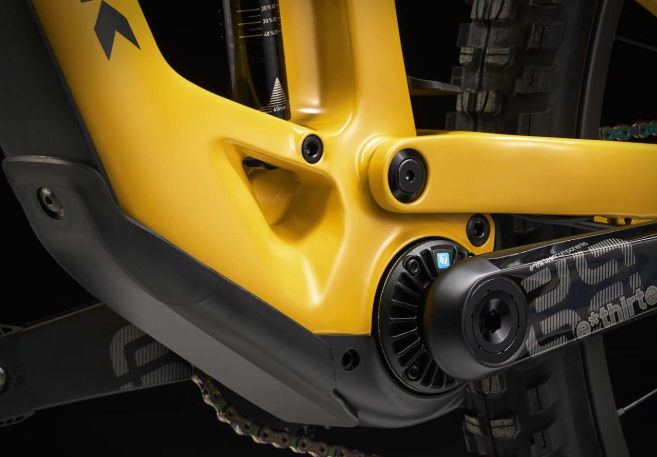
TQ has become a very important name in the lightweight premium segment. These motors are known for being compact, quiet and very natural feeling, which is why they’ve appeared on some very desirable road, gravel and light e-MTB models.
- HPR50 – 50Nm
- HPR60 – 60Nm on the newer system
TQ is not trying to out-muscle the biggest full-power motors. The appeal is the ride feel, low drag and very neat packaging. For many riders, that matters more.
You can view full specifications and system details on the official TQ e-bike systems website.
Zehus
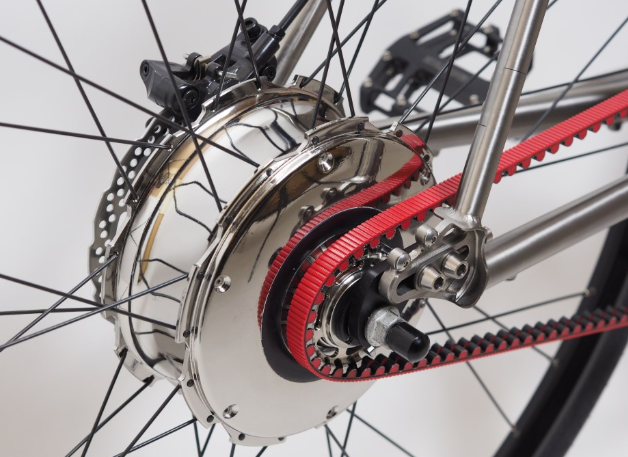
Zehus is a bit different to most of the names above. Its best-known systems package the motor, battery and electronics into an all-in-one rear hub, which makes for a very tidy and low-maintenance setup.
Official Zehus documentation for the All-In-One system quotes 40Nm torque, with the whole idea being simplicity, light urban use and minimal visual clutter rather than full-power climbing performance.
These systems are more likely to appeal if you want a clean-looking commuter or folding bike than if you are shopping for a hill-flattening trekking or mountain e-bike.
You can view full specifications and system details on the official Zehus website.
Which motors are best for hills?
| Motor family | Typical torque | Best for |
|---|---|---|
| Bosch Performance Line CX | 75–85Nm on many used bikes | Steep hills, e-MTB, heavier riders, loaded riding |
| Shimano EP6 / EP8 | 85Nm | Trail riding, steep climbs, sporty mixed use |
| Yamaha PW-X3 / PW-XM | 85Nm | Strong climbing performance and off-road riding |
| Giant SyncDrive Pro 2 | 85Nm | All-round high-performance riding with smooth feel |
| Bafang M500 / M510 | 95–110Nm depending version | Power-focused value bikes and some e-MTB setups |
| Mahle X35 / X20 | 40–65Nm | Lightweight bikes, gentle support, road and gravel use |
| Fazua Ride 60 / TQ HPR50 | 50–60Nm | Natural-feeling lightweight performance bikes |
| Zehus All In One | 40Nm | Urban simplicity, lighter commuter bikes |
As a general rule, if you ride in a very hilly area or regularly carry weight, a strong mid-drive system usually makes the most sense. If you mostly ride on rolling roads or flatter terrain, a lighter hub system can be perfectly adequate and often nicer to live with day to day.
What to check when buying a used e-bike
When people buy used e-bikes, they often focus on battery size and forget the rest of the drive system. That can be a mistake.
Good signs
- Motor starts smoothly with no unusual noises
- Display works properly, and battery communication is stable
- Bike has a charger, keys and original paperwork if possible
- Software-backed systems like Bosch, Shimano or Yamaha have obvious dealer support
- Ride assistance feels smooth rather than jerky or inconsistent
Things to watch
- Error codes, warning lights or display cut-outs
- Grinding, knocking or excessive resistance from the motor area
- Unknown charger or missing battery keys
- Poor parts support on obscure systems
- Very high mileage with no service history on a premium motor
If battery health is a concern, read our guide to checking e-bike battery health. If fit is the issue, our e-bike size calculator should help.
So which e-bike motor is best?
There isn’t one single best e-bike motor for everyone. It depends on the kind of bike you want and the sort of riding you actually do.
If you want the safest mainstream used-bike option, Bosch, Shimano and Yamaha are usually the easiest systems to recommend. If you want a premium lightweight bike that still feels close to a normal bicycle, Mahle, Fazua and TQ are all worth a serious look. If you want strong performance for the money, Bafang can make a lot of sense, but it pays to be more careful about exact model and support.
Browse bikes on the EbikeSeller marketplace and compare motor brands, battery sizes and bike types in one place.