Is It Worth Insuring a Used E-Bike?

Insuring a used e-bike in the UK isn’t always straightforward. Some riders wouldn’t be without it, while others see it as an unnecessary expense. The reality sits somewhere in the middle.
This quick guide explains when e-bike insurance makes sense, what it actually covers, and when you might be better off saving your money.
What does e-bike insurance actually cover?
Most specialist e-bike insurance policies go beyond what standard home insurance offers. The exact cover varies, but typically includes:
- Theft (at home and away from home)
- Accidental damage
- Vandalism
- Public liability cover
- Personal accident cover
- Optional breakdown or recovery
Many insurance providers offer policies tailored specifically for electric bikes, and a quite a few of the price comparison website cater to e-bike riders.
The biggest risk: theft
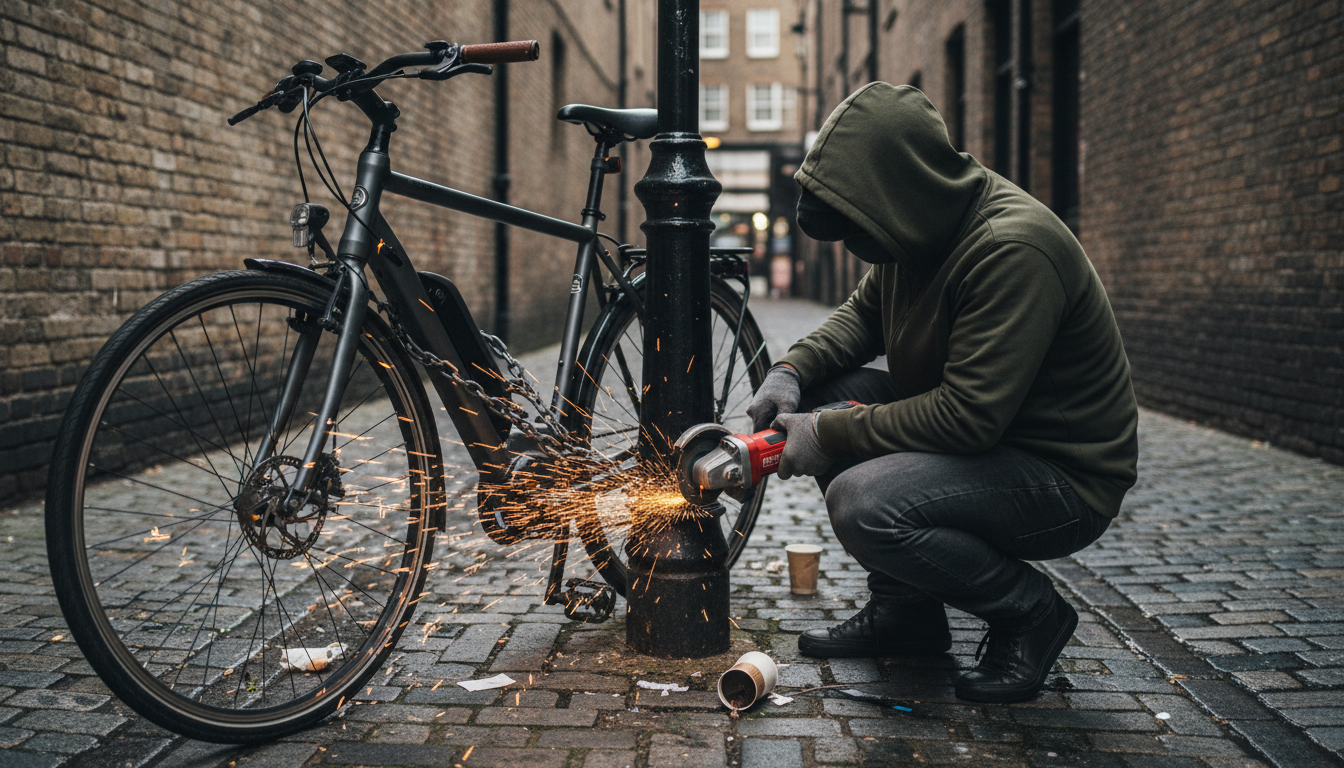
E-bike theft is by far the main reason people take out insurance. Electric bikes are valuable, easy to resell and often targeted in busy towns and cities.
Even good locks are not foolproof. Portable angle grinders can cut through most locks in under a minute, especially if the bike is left unattended in a public place.
If you regularly leave your bike outside shops, train stations or workplaces, insurance quickly starts to make sense.
Accidental damage happens more than you think
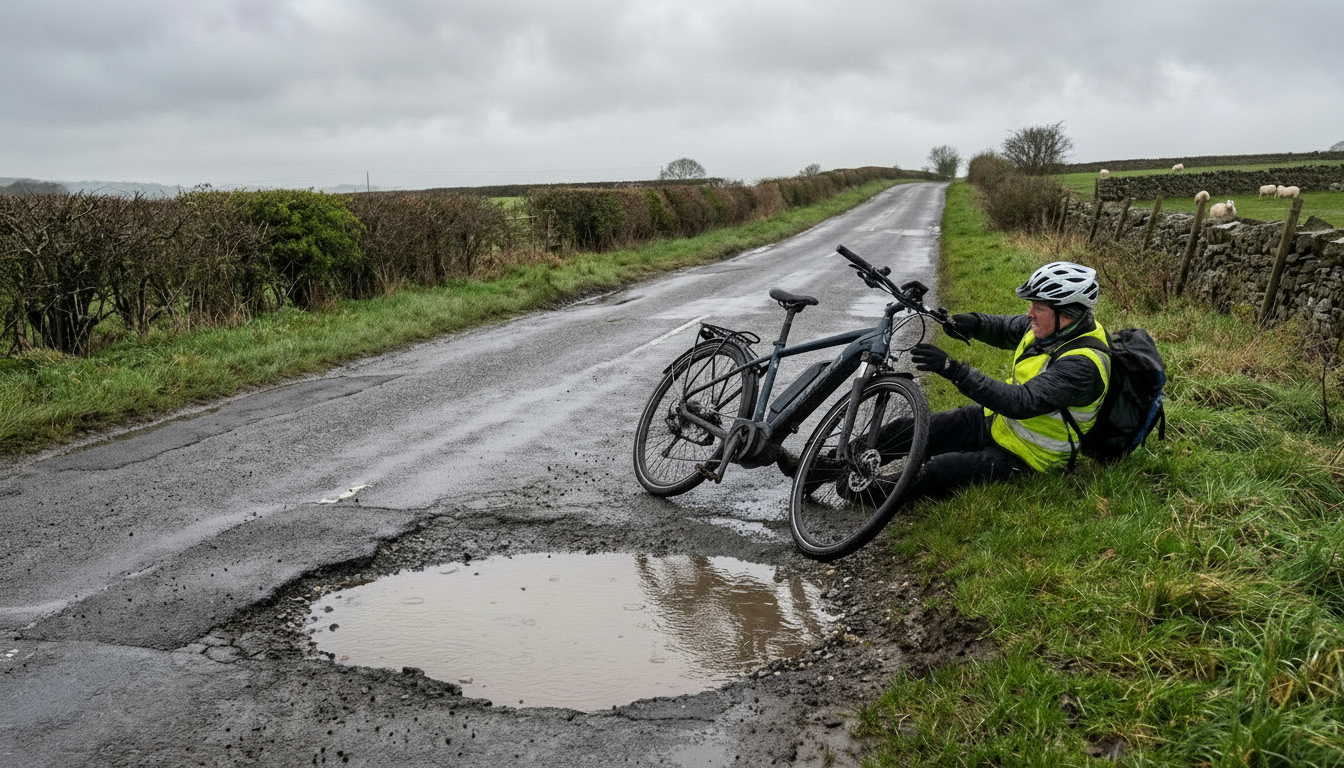
UK roads aren’t exactly forgiving. Potholes, wet conditions and uneven surfaces can easily lead to crashes or damage.
E-bikes are heavier than standard bikes, which means impacts can be more severe. A damaged wheel, motor issue or cracked frame can quickly become expensive to repair.
Insurance can cover these unexpected costs, depending on the policy.
What about accidents involving other people?
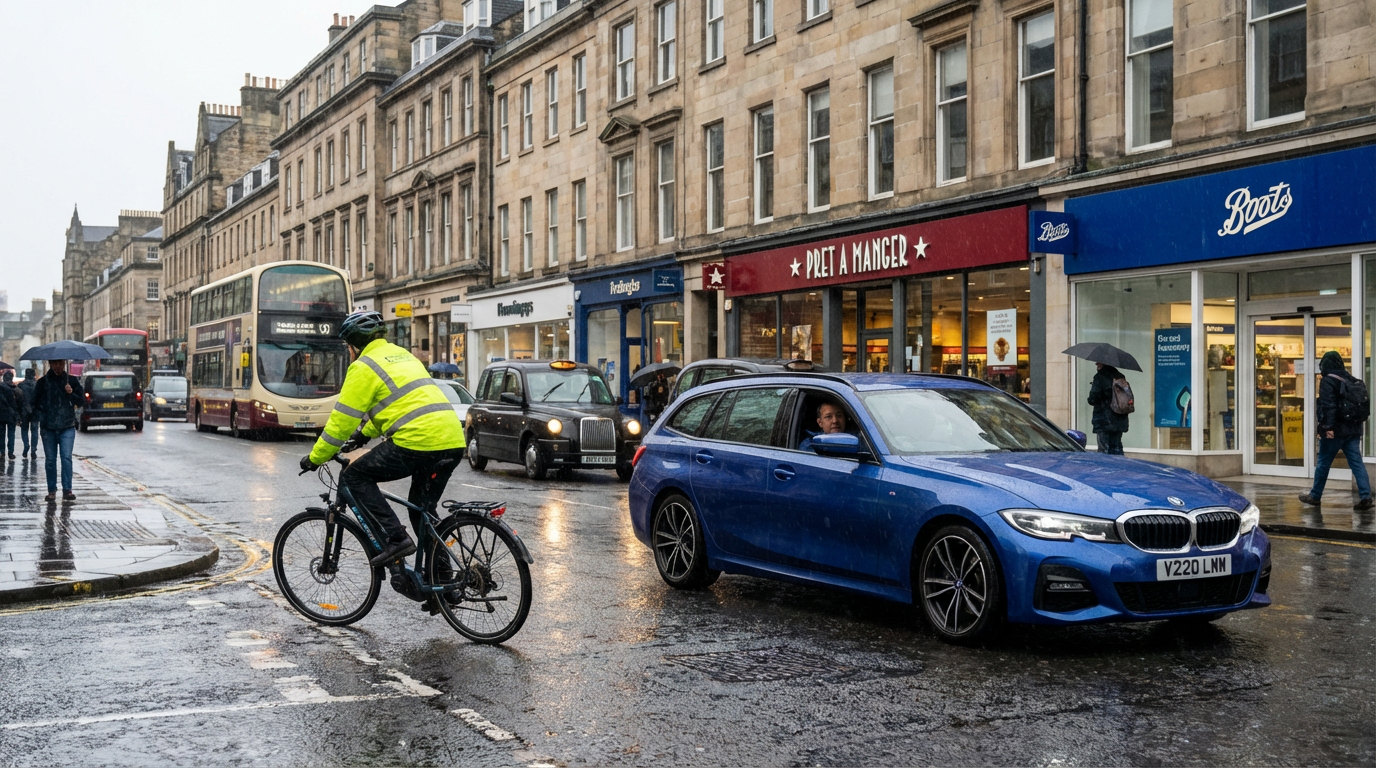
This is often overlooked. If you’re involved in an accident and someone else is injured or their property is damaged, you could be held liable.
Many e-bike insurance policies include public liability cover, which can protect you financially in these situations.
Without it, you could be paying out of your own pocket.
When insurance is worth it
In general, insurance makes sense if:
- Your e-bike is worth £1,000 or more
- You use it regularly for commuting or deliveries
- You leave it locked in public places
- You rely on it daily and couldn’t easily replace it
For higher-value bikes, especially mid-drive systems like Bosch or Shimano, the cost of replacement or repair can justify the monthly premium.
When it might not be worth it
There are also plenty of cases where insurance may not be necessary:
- Lower-value used bikes (under £500–£800)
- Bikes that are rarely left unattended
- If you already have cover through home insurance
- If you’re comfortable self-insuring (taking the risk)
In these situations, the yearly cost of insurance can add up to a significant percentage of the bike’s value.
Check your home insurance first
Before taking out a separate policy, it’s worth checking your home insurance.
Some policies cover bicycles as standard, but often with limitations:
- Lower value limits
- No cover away from home
- High excess
- Strict lock requirements
For many e-bike owners, specialist insurance offers more suitable cover.
Where to get e-bike insurance in the UK
There are several specialist insurers in the UK that offer cover specifically designed for electric bikes. Here are some of the most popular options.
Specialist e-bike insurers
- Cycleplan – One of the most established providers, offering theft, accidental damage, public liability and even loss of earnings cover for riders.
- Bikmo – Popular with commuters and enthusiasts, with flexible cover options including theft, damage, worldwide cover and accessory protection.
- Sundays Insurance – Simple, modern policies that include public liability and personal accident cover as standard.
- CycleGuard – Long-running UK provider with cover for theft, accidental damage, vandalism and optional liability protection.
Most of these insurers allow you to tailor your policy depending on how you use your bike, whether that’s commuting, leisure riding or delivery work.
Comparison websites
If you’re not sure where to start, comparison sites can help you quickly see what’s available and get a rough idea of pricing.
These platforms won’t always show every specialist provider, but they’re a good starting point if you want to compare quotes side by side.
Things to watch out for
Not all policies are equal. Always check the details carefully.
- Approved lock requirements (often Sold Secure rated)
- Where the bike can be stored
- Excess amounts
- Battery cover and exclusions
- Wear and tear not being included
Failing to meet the conditions can invalidate a claim, which defeats the whole point of having insurance.
Insurance cost vs bike value
One of the easiest ways to decide if insurance is worth it is to compare the annual cost against the value of your e-bike.
While prices vary depending on location, usage and cover level, typical UK policies often start from around £4–£10 per month for lower-value bikes and increase with value.
Typical insurance cost vs bike value
| Bike value | Typical monthly cost | Worth it? |
| £300 – £800 | £4 – £8 | Usually not |
| £800 – £1,500 | £6 – £12 | Depends on usage |
| £1,500 – £3,000 | £8 – £20 | Often yes |
| £3,000+ | £15 – £40+ | Almost always |
As a rough guide, if your annual premium is getting close to 10–15% of the bike’s value, it’s worth questioning whether it still makes financial sense.
A simple way to decide
A quick rule of thumb:
If losing or damaging your e-bike would cause a serious financial hit or disrupt your daily routine, insurance is probably worth it.
If replacing it wouldn’t be a major issue, you may be better off saving the money and taking the risk.
Final thoughts
E-bike insurance isn’t essential for everyone, but it can offer valuable peace of mind depending on how and where you ride.
For higher-value bikes or regular use in public areas, it’s often a sensible investment. For cheaper bikes or occasional riders, it may be less worthwhile.
Like most things, it comes down to risk versus cost.