How to Ship a Second-Hand Electric Bike
This guide breaks down the main ways people ship e-bikes in the UK, with honest pros and cons so you can choose the right option. No hype, no scare stories, just what usually works in the real world.
Quick Comparison of Shipping Options
| Method | Best for | Typical cost range | Biggest downside |
|---|---|---|---|
| Standard parcel couriers (boxed) | Cheaper shipping when you can pack properly | £30–£80 (sometimes more) | Packaging effort + higher risk if packing is weak |
| Specialist no-box bike delivery | Convenience, safety, higher value bikes | £90–£150+ | Can take longer than parcels, depending on routing |
| Independent local couriers | Personal service, flexible jobs | Varies widely | Quality varies; you need to vet them |
| Marketplaces (Shiply, AnyVan, Porta) | Competitive quotes on longer routes | £60–£140+ | Not all providers understand bikes |
| Collect in person | High-value purchases, full control | Fuel/train costs | Time and travel hassle |
Standard Parcel Couriers
This is usually the first option people think of because it looks cheap and simple. Book online, print a label, job done. In reality, e-bikes can be awkward for parcel networks, mainly because of weight, size, and the fact that the bike needs to be packed properly.
Good points
- Often, the cheapest option
- Easy to book online
- Nationwide coverage
- Fast delivery times in many cases
- Works well if you still have the original bike box
Bad points
- You’ll need to dismantle and box the bike
- Higher risk of damage if the packing is poor
- Heavy e-bikes can hit weight limits
- Insurance/claims can be a pain for high-value items
- Some couriers have restrictions around lithium batteries
Reality check: Most damage comes from weak packing, not the courier being “evil”. If the bike can move inside the box, it will. If there’s no proper protection on dropouts, rotors, and the derailleur, you’re gambling.
Specialist No-Box Bike Delivery Companies
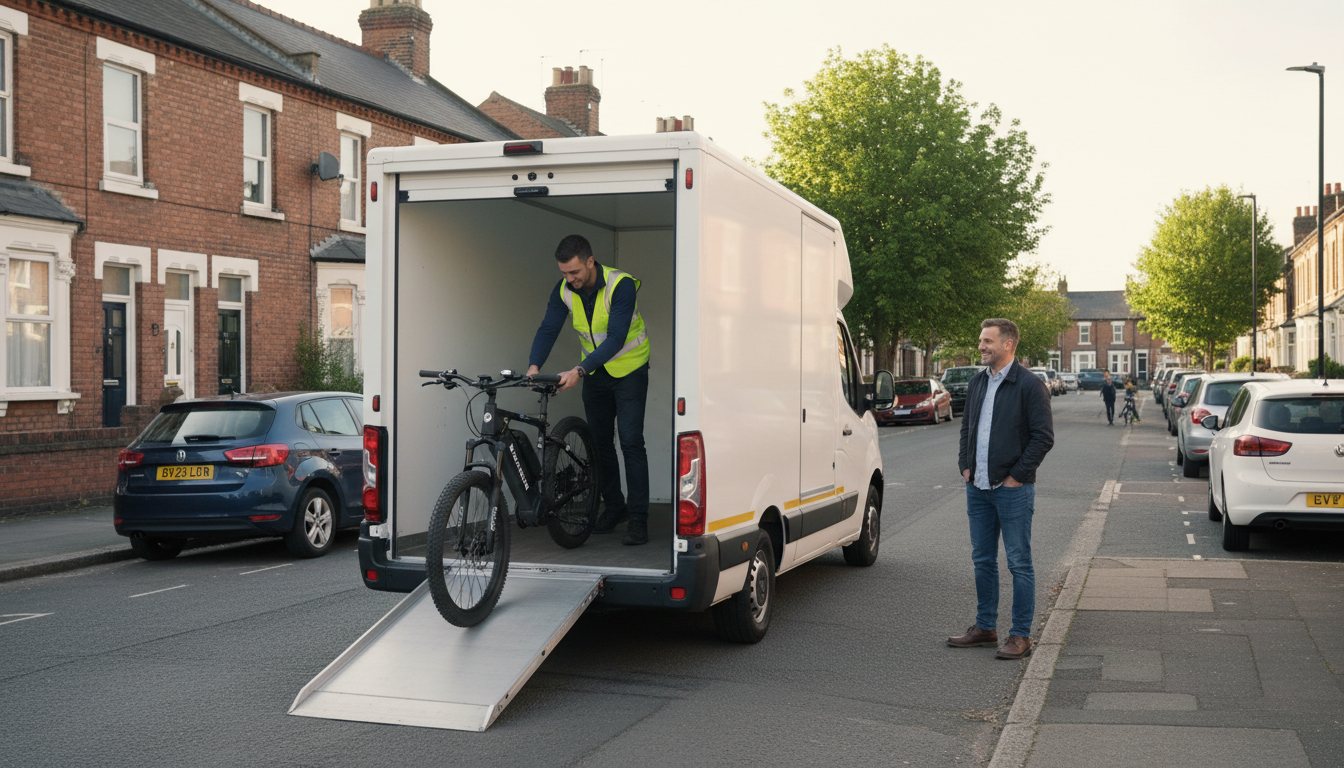
No-box delivery means the bike is collected and transported as a complete bike. No dismantling, no hunting for a massive box, no hoping your tape job holds up. It’s usually the most stress-free method, especially for heavier e-bikes and anything valuable.
Top three UK E-Bike delivery specialists (our preferred delivery partners)
Good points
- No box required
- Less prep work for seller and buyer
- Lower risk of damage compared to parcel networks
- Handled by people used to bikes
- Ideal for high-value bikes, cargo bikes, trikes and awkward shapes
Bad points
- Usually more expensive than boxed parcel shipping
- Collection and delivery may be scheduled on routes
- Delivery can take longer than “next day” parcels
If you’re buying remotely and want peace of mind, this is often the best option. It’s not always the cheapest, but it’s usually the least hassle.
Independent Couriers (Phoning Around Locals)
Independent courier companies and owner-drivers can be a great middle ground. You ring around, explain the job, and get a price. Some will collect the bike in a van and deliver it direct. When it’s good, it’s very good. When it’s bad, it’s a bloke with a ratchet strap and a dream.
Good points
- Flexible arrangements and direct communication
- Potentially competitive pricing
- Often less handling than parcel networks
- You can ask questions and agree on a sensible plan
Bad points
- Quality varies massively
- Not all couriers understand bikes
- Insurance levels can be unclear
- Availability depends on where you live
If you go this route, ask how they’ll secure the bike, whether it stays upright, and what cover they have if something goes wrong.
Other Transport Marketplaces
Transport marketplaces connect customers with courier providers who are already travelling similar routes. You list the job, providers quote, and you choose one. This can be brilliant value, but you need to do a bit of homework.
Top three UK providers
Good points
- Competitive pricing through quotes/bidding
- Good coverage for long-distance jobs
- Flexible collection options
- You can compare providers before choosing
Bad points
- Not all providers specialise in bikes
- Insurance and “what’s covered” can vary
- Some quotes are low because corners get cut
- You’ll need to read reviews properly
How to choose a provider on a marketplace: pick someone with relevant reviews, clear communication, and proper photos of their vehicle setup, if possible. If you ask a simple question and get a weird answer, move on. Trust your gut.
Collecting the Bike in Person
Sometimes the simplest option is the best. If the bike is expensive, rare, or you just want total control, collecting in person can be the safest route. You can inspect the bike, confirm the condition, and take it home yourself.
When collecting in person makes the most sense
- High-value e-bikes where you want to inspect before handing over money
- Bikes with unusual frames or accessories that are hard to ship
- Shorter distances where travel cost is reasonable
- When you want the bike the same day
What About the Battery?
Most complete e-bikes delivered by specialist couriers or independents don’t run into the same issues as posting lithium batteries separately, because the bike is carried as a whole item. Parcel networks, on the other hand, may have restrictions or requirements around lithium batteries, declarations, and insurance.
Tip: If you’re using a parcel courier, check their lithium battery policy first. Don’t assume it’s fine just because “it went through last time”. Policies change, and claims get rejected on technicalities.
How Much Does It Cost to Ship an E-Bike in the UK?
Costs vary depending on distance, bike type, and how awkward the job is. As a rough guide:
Typical price ranges
Specialist no-box: £90–£150+
Marketplaces: £60–£140+
Independents: varies widely
Cargo bikes, trikes, tandems and remote areas will usually cost more. Always get a price upfront so there are no surprises.
How to Reduce Risk When Shipping
A few simple steps make a big difference, regardless of which option you choose.
Practical tips
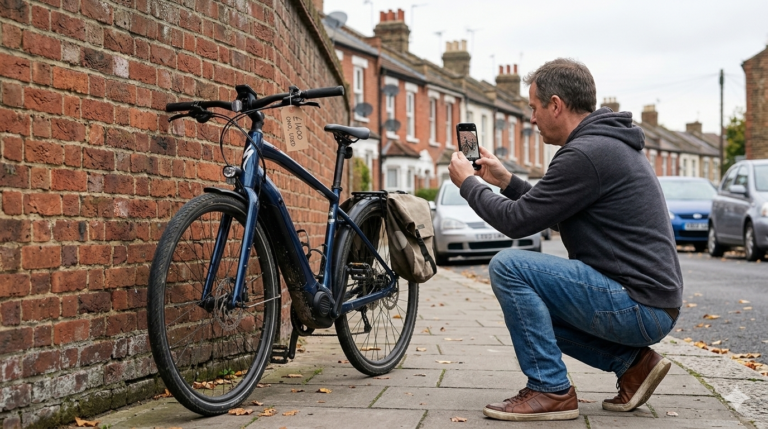
- Take clear photos of the bike before collection (both sides, close-ups of existing marks)
- Remove loose accessories where possible (phone mounts, panniers, clip-on lights)
- Secure anything that can flap about (cables, chargers, keys)
- Confirm collection and delivery details in writing (messages are fine)
- Check what insurance is included and what it actually covers
- If boxing, protect the derailleur, dropouts and disc rotors properly
So, Which Method Should You Choose?
If cost is the main factor and you’re confident packing bikes properly, a parcel courier can work. If convenience and safety matter most, specialist no-box delivery is usually the easiest route. Independents can be brilliant if you find someone reliable, while marketplaces can offer good value if you choose carefully.
Bottom line: don’t rush it. Ask questions, get clarity on insurance, and pick the option that suits the value of the bike and your tolerance for hassle. Find out more about our delivery options to ensure your e-bike gets to its buyer safely and securely.
Related Articles
Similar Posts
Used E-Bike vs New: Is It Worth the Risk?
Buying an e-bike isn’t a small purchase anymore. Even “budget” models can cost proper money, and mid-drive bikes from Bosch, Shimano and friends can creep into used-car territory. So the big question is simple: should you buy new for the peace of mind, or go used and get more bike for your money? The honest…
How Much Does it Cost to Replace an E-Bike Battery?
One of the biggest concerns people have when buying a used e-bike is the battery. And rightly so. The battery is usually the most expensive single component on the bike, and replacing one isn’t cheap. The good news is that batteries don’t fail overnight, and there are often more options than people realise. The bad…
Used E-Bike Price Guide UK (2026)
Used E-Bike Price Guide UK (2026): What Second-Hand Electric Bikes Are Really Worth If you’re buying or selling a second-hand electric bike, one of the first questions is always the same: what’s it actually worth? The honest answer is that used e-bike prices vary massively depending on the brand, model, age, battery condition, motor system,…
How to Sell a Used E-Bike in the UK: The Complete Seller’s Guide
Selling a used e-bike in the UK is usually fairly straightforward, but like anything involving money and strangers on the internet, there are a few pitfalls to watch out for. Do it properly and you can get a good price for your bike with very little hassle. Do it badly and you may end up…
Where to Sell a Used E-Bike in the UK: The Best Platforms for Private Sellers
Selling a used e-bike in the UK is usually pretty straightforward, especially now that electric bikes have become so popular. But choosing where to list it can make a big difference to how quickly it sells, how much hassle you deal with, and how safe the transaction is. Some platforms give you massive exposure but…
UK E-Bike Law Explained: What Used E-Bike Buyers and Sellers Need to Know
Electric bikes have exploded in popularity across the UK over the last decade. For commuters, leisure riders and delivery workers, they’ve opened up cycling to people who might never have considered riding a normal bike. But with that growth has come considerable confusion about what’s actually legal on British roads. If you’re buying or selling…