How to Spot a Scam E-Bike Listing in the UK
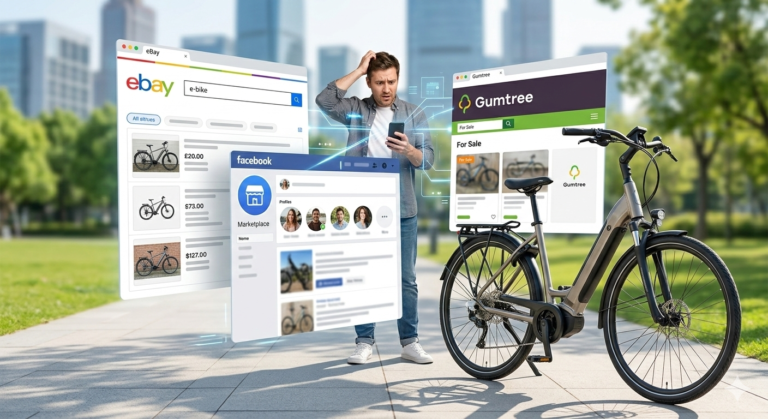
Used e-bikes can be an absolute bargain, but they’ve also become a favourite target for scammers. The reason is simple. E-bikes are valuable, in demand, and a lot of buyers are new to the tech, which makes it easier to confuse people.
This guide will help you spot the common scams, avoid dodgy payment traps, and buy with confidence. You do not need to be paranoid. You just need a few basic checks and the ability to walk away when something feels off.
Quick Warning Signs You Should Never Ignore
- Price is far below the normal going rate for that model
- Seller pushes for a deposit to “hold it”
- Seller claims they cannot meet but can “ship it” after payment
- Seller refuses to share the frame number or acts weird about it
- Only stock photos or blurry photos, no real close-ups
- Payment requested via unusual methods or “friends and family”
- Listing story feels like a soap opera and changes when you ask questions
One warning sign might be nothing. Two or three together usually means you should walk away.
The Most Common E-Bike Scams in the UK
Here are the scam patterns that show up again and again across online marketplaces and cycling forums.
The “Too Good to Be True” Bargain
This is the classic. A bike worth £2,000 is listed for £650 with a story attached. The seller might say they are moving abroad, selling for a relative, or need urgent cash.
You ask a sensible question like “Do you have the charger and proof of purchase?” and the reply is vague. Then they hit you with “I’ve got loads of interest, send £100 now to secure it.” Once you send money, they vanish.
The Fake Delivery Scam
The seller says they cannot meet you in person but can arrange delivery. They may pretend to use a courier company, a fake “escrow service”, or a bogus tracking link.
You receive a link that looks like a delivery booking page. It asks you to pay or enter card details. The website is fake. The bike does not exist. The scammer is just collecting money or card details.
The Clone Listing Scam
Scammers copy genuine adverts and repost them at a cheaper price. Photos look great because they are stolen from a real listing. Sometimes the scammer even uses the same description word-for-word.
- Photos look like professional product shots, not real home photos
- Seller avoids taking new photos when asked
- Description is generic and does not answer specific questions
Stolen E-Bike Listings
Not every “no receipt” bike is stolen, but stolen e-bikes do get sold online. The buyer can end up losing the bike if it’s recovered, and you do not want that headache.
- No proof of purchase and seller has no believable story
- Seller refuses to share frame number or claims there is no frame number
- Meet location is always a car park, lay-by, or “near the station”
- Seller cannot answer basic questions about the bike
Tip: Ask for the frame number early. A genuine seller will usually just send it.
Payment Scams and Fake “Buyer” Messages
Sometimes scammers target sellers too. They send messages pretending to be a buyer and try to trick the seller into clicking a link, “confirming payment”, or entering details somewhere.
- Links that claim to be “payment confirmation”
- Messages urging you to click quickly or lose the sale
- Requests for your email or phone number immediately
- Anything that looks like “verify your bank” or “release funds”
How to Stress-Test a Listing in 5 Minutes
Before you travel or pay anything, do these checks.
- Ask for a photo of the actual bike taken today from a new angle
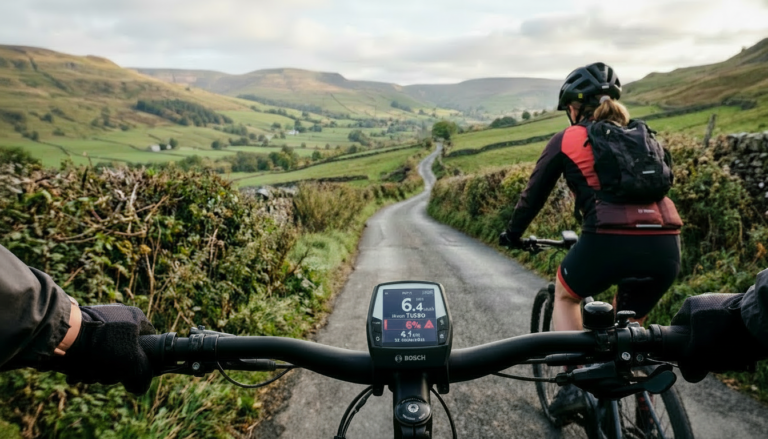
- Ask for a close-up of the display turned on
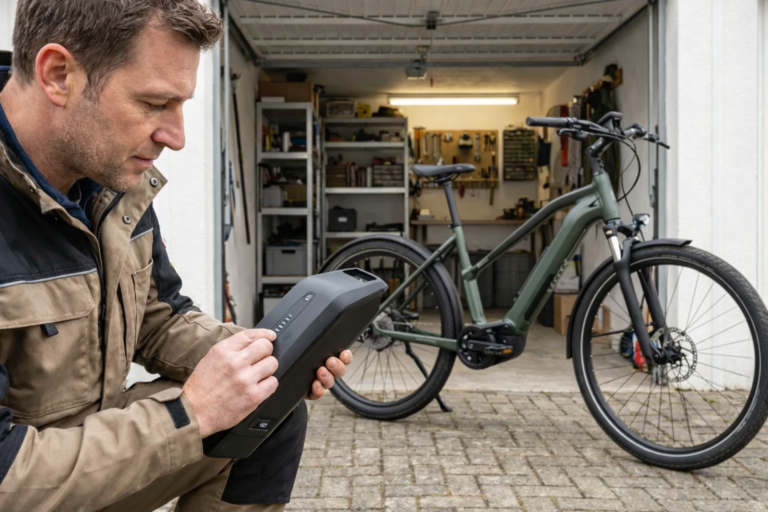
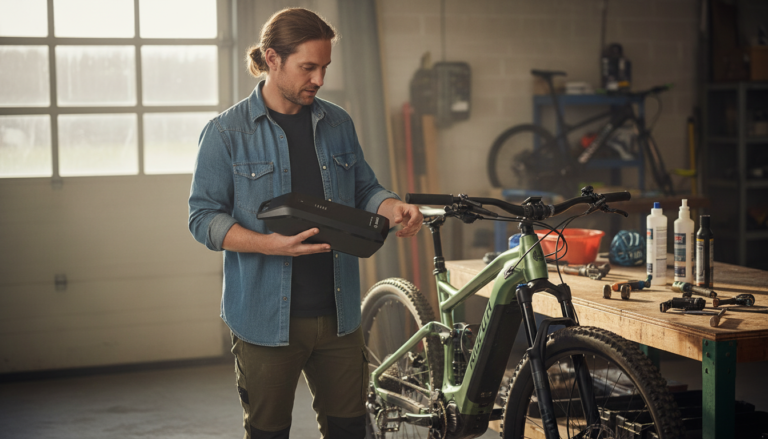
- Ask for a close-up of the battery mount area and charger
- Ask for the frame number and a clear photo of it
- Ask where the bike was purchased and whether proof exists
- Ask whether there are two keys for the battery
If they refuse simple requests, that tells you everything.
Photo Red Flags That Give Scammers Away
- Only one photo, usually from far away
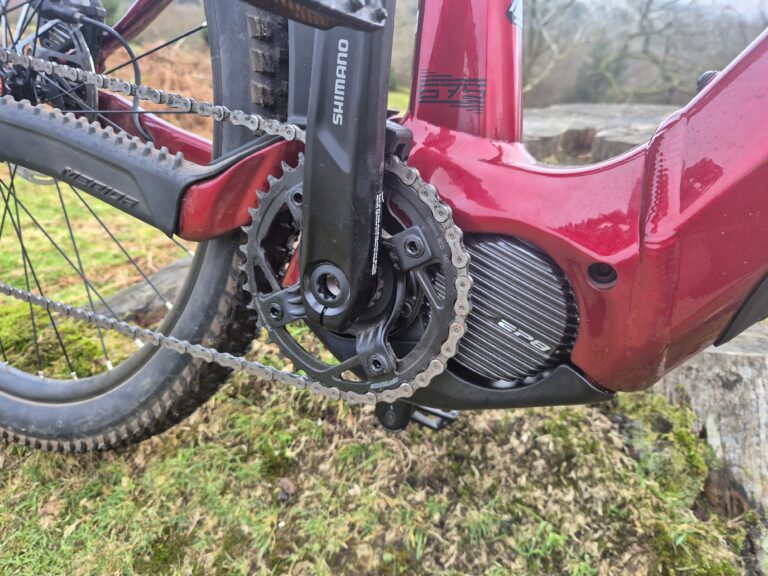
- No photos of drivetrain, battery, display, or motor area
- Photos look like they came from a manufacturer website
- Different backgrounds across photos, like multiple locations
- Photos cropped weirdly to hide key details
Safe Buying and Meeting Up in the UK
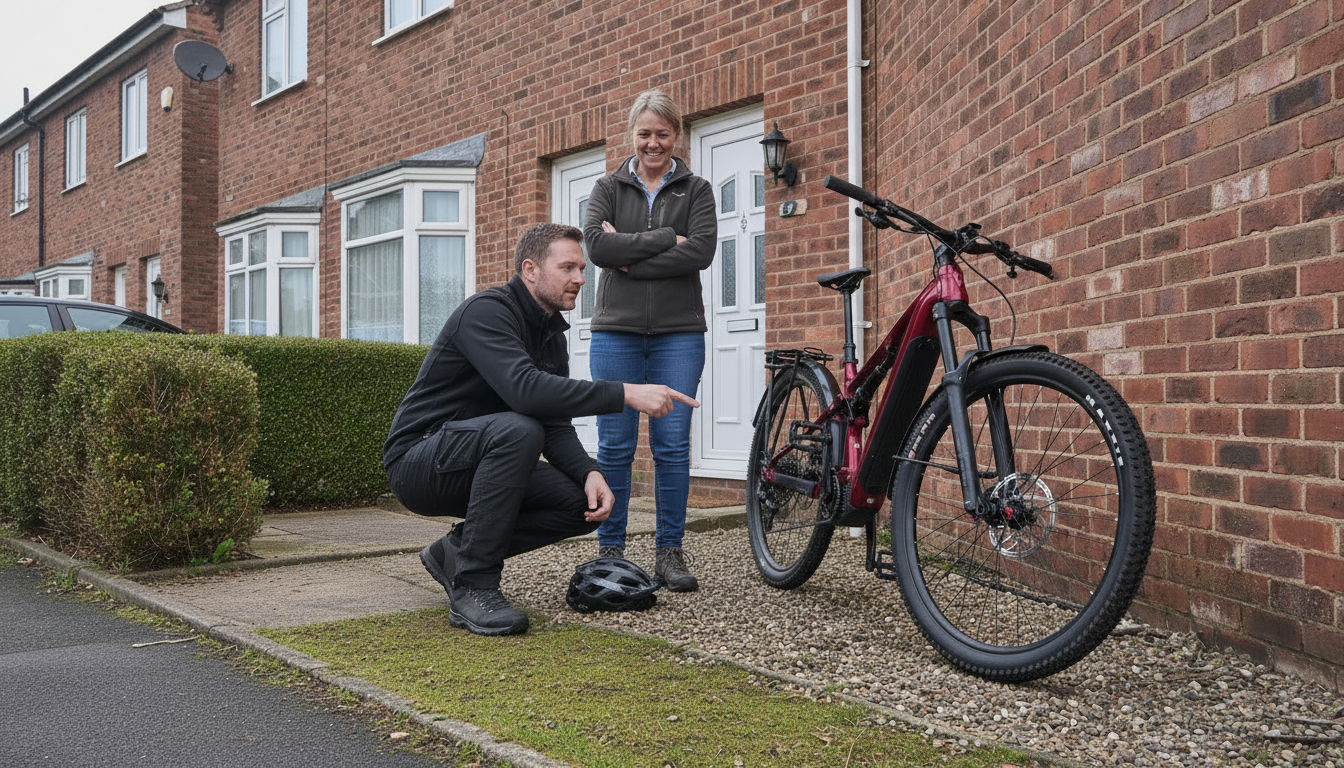
In-person collection is usually safest. If possible, meet at the seller’s home address. It is not a guarantee, but it’s better than meeting in a random car park.
- Meet in daylight
- Bring a mate if you can
- Do a short test ride
- Check the battery locks and charges
- Confirm frame number matches what you were given
- Get a simple receipt with seller name, date, bike details, price paid
Payment Options That Are Actually Safer
There is no such thing as completely fool-proof payment in private sales, but some options give you more protection than others.
Safer options (depending on the situation):
- PayPal Goods and Services for buyer protection (avoid Friends and Family)
- Credit card where a legitimate checkout exists (rare in private sales, common with shops)
- In-person payment after inspection with a written receipt
If a seller insists on PayPal Friends and Family, it is often because they want you to have no protection.
High risk options:
- Bank transfer to a stranger before seeing the bike
- Crypto payments
- Gift cards
- Any “escrow” website you have never heard of
- PayPal Friends and Family for a purchase
How to Handle Deposits
In general, try to avoid deposits for private sales. If a seller is genuine, they will usually accept that you want to view the bike first.
If a deposit is the only way to secure a rare bike, keep it small and only use a protected method. If the seller refuses protected payment and demands a transfer, walk away.
What to Do If You Think a Listing Is a Scam
- Stop communicating and do not send money
- Screenshot the listing, profile, and messages
- Report the listing to the platform immediately
- If money has been sent, contact your bank or payment provider straight away
- Report fraud in the UK via Action Fraud if appropriate
The faster you act, the better your chances of stopping funds or recovering them.
Common Sense Rules That Save You Every Time
- If the story is messy and keeps changing, walk away
- If the seller is rushing you, slow down
- If they refuse basic proof, walk away
- If you feel uneasy, trust that feeling
- If the price is wildly low, assume there is a catch
Final Thoughts
Most people selling used e-bikes are genuine. The problem is the scammers are loud, persistent, and they aim for anyone who is excited and in a hurry.
If you take your time, ask sensible questions, insist on proof, and choose safer payment methods, you will avoid nearly all the common scams. And remember, the best scam defence is the simplest one. If something feels wrong, walk away. There will always be another bike.
If you want, I can also format this into a shorter “Scam Checklist” box you can reuse across listing pages and the marketplace itself.