
Used E-Bike Price Guide UK (2026)

Used E-Bike Price Guide UK (2026): What Second-Hand Electric Bikes Are Really Worth
This is not an exact science. Used e-bike values move around depending on season, location, demand and how well a bike has been looked after. Think of the figures below as a rough market guide, not a guaranteed sale price. If you’re new to the used market, it’s worth reading our complete used e-bike buyer’s guide first.
What affects used e-bike value the most?
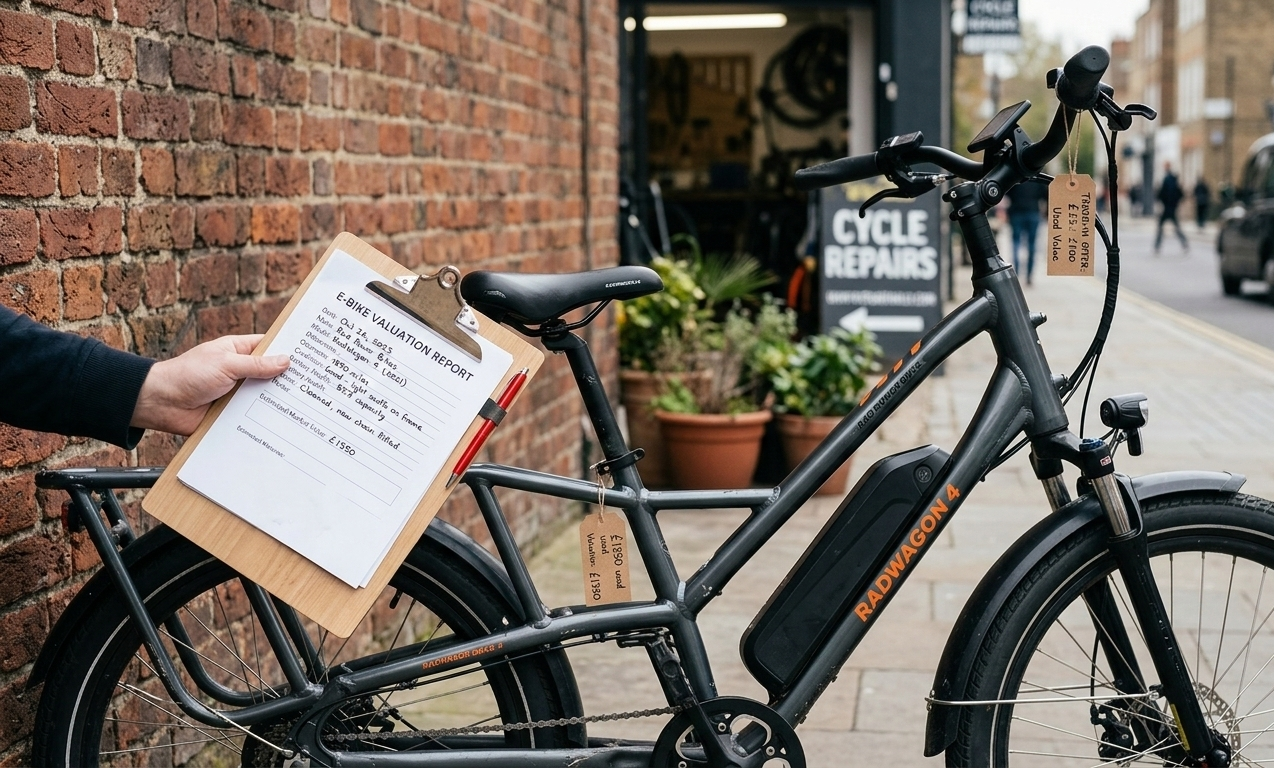
Two bikes that look similar on paper can be worth very different money. In the used market, these are the things that matter most:
- Battery health: one of the biggest value factors. A tired battery can knock hundreds off the price.
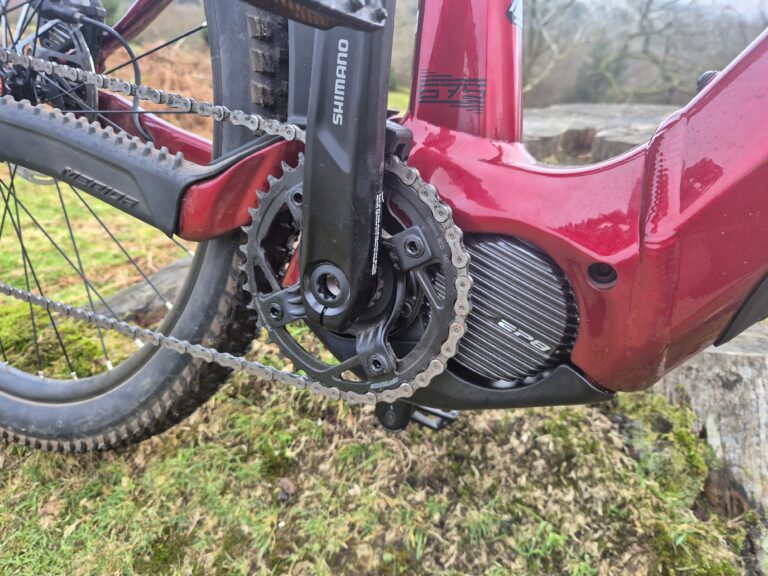
- Motor system: Bosch, Shimano, Brose, Yamaha and Specialized systems usually hold value better than unknown hub motors.
- Brand reputation: premium brands usually command stronger resale prices.
- Age: most e-bikes lose value quickest in the first few years, then level out.
- Mileage and wear: a clean bike with low miles will nearly always sell better.
- Condition: frame damage, worn drivetrains, tired brakes and cosmetic abuse all drag the price down.
- Proof of ownership and service history: these can make a big difference to buyer confidence.
Battery condition is especially important, so if you haven’t already, read our guide on
how to check e-bike battery health before buying. And if you want to understand the possible downside, this guide on how much it costs to replace an e-bike battery is well worth a look.
Typical used e-bike price ranges in the UK
As a rough guide, these are the sort of prices many buyers and sellers are working with in the current UK market.
| Bike type | Typical used price range | What you’re usually looking at |
|---|---|---|
| Budget hub-motor commuter e-bikes | £400–£900 | Older commuter bikes, folding bikes, entry-level hybrids, lesser-known brands |
| Mid-range commuter / hybrid e-bikes | £900–£1,800 | Better-known brands, decent battery sizes, more modern geometry and equipment |
| Premium commuter / trekking e-bikes | £1,500–£2,800 | Bosch or Shimano mid-drive bikes from brands like Trek, Cube, Giant, Specialized and Raleigh |
| Hardtail e-MTBs | £1,700–£3,000 | Trail hardtails from major brands with decent battery capacity and mid-drive motors |
| Full-suspension e-MTBs | £2,400–£4,000+ | Premium e-MTBs from brands such as Cube, Specialized, Trek, Haibike, Whyte and Cannondale |
| Cargo bikes and specialist utility e-bikes | £2,000–£5,000+ | Longtails, front-loaders and premium utility bikes, especially if retailer-backed |
Rough used price ranges by major brand
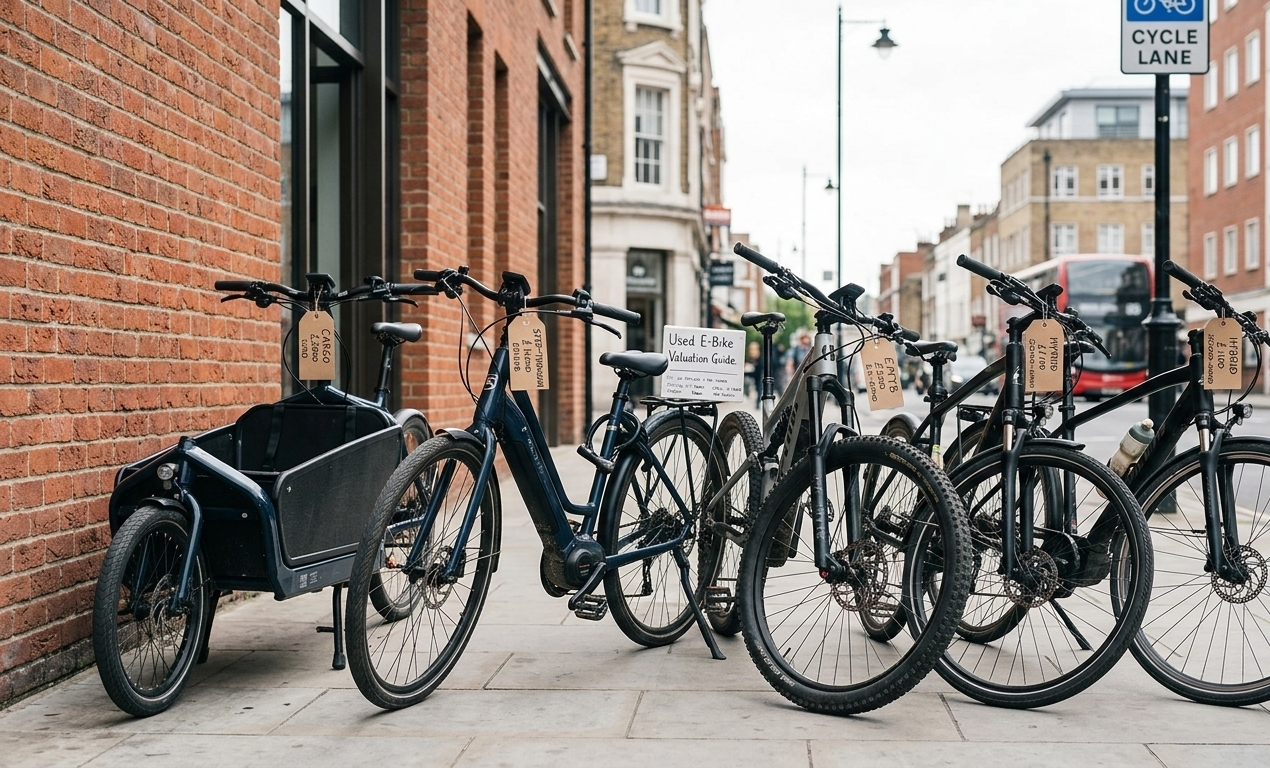
These are broad ballpark ranges rather than hard rules, but they’re useful if you’re trying to work out whether a listing looks cheap, fair, or wildly optimistic.
| Brand | Typical used range | Notes |
|---|---|---|
| Trek | £1,300–£2,500+ | Powerfly and Allant-type bikes tend to hold value well, especially clean Bosch-equipped models |
| Specialized | £1,150–£3,000+ | Turbo Vado, Vado SL and Levo models usually command strong money if battery and motor are healthy |
| Cube | £1,000–£2,800+ | Strong used demand in the UK, especially for Hybrid and Stereo Hybrid models |
| Haibike | £1,000–£4,000+ | Huge spread depending on whether it’s a trekking bike, hardtail or premium full-sus model |
| Whyte | £2,500–£3,300+ | Recent high-spec UK-market e-MTBs can still fetch strong used prices |
| Giant | £750–£2,500+ | Explore, FastRoad and Trance E+ models vary a lot, but decent examples usually sell steadily |
| Cannondale | £1,400–£3,000+ | Moterra and Neo models can be very good value used compared with original RRP |
| Raleigh | £700–£1,400+ | Motus and other Bosch-powered hybrids often appeal to practical everyday riders |
| Carrera | £400–£900 | Popular entry point for used buyers, but prices depend heavily on battery and overall condition |
Important
Premium bikes don’t always hold value just because they were expensive when new. If the battery is tired, the drivetrain is worn out, and the seller has no paperwork, the price can drop quickly.
How age affects used e-bike prices
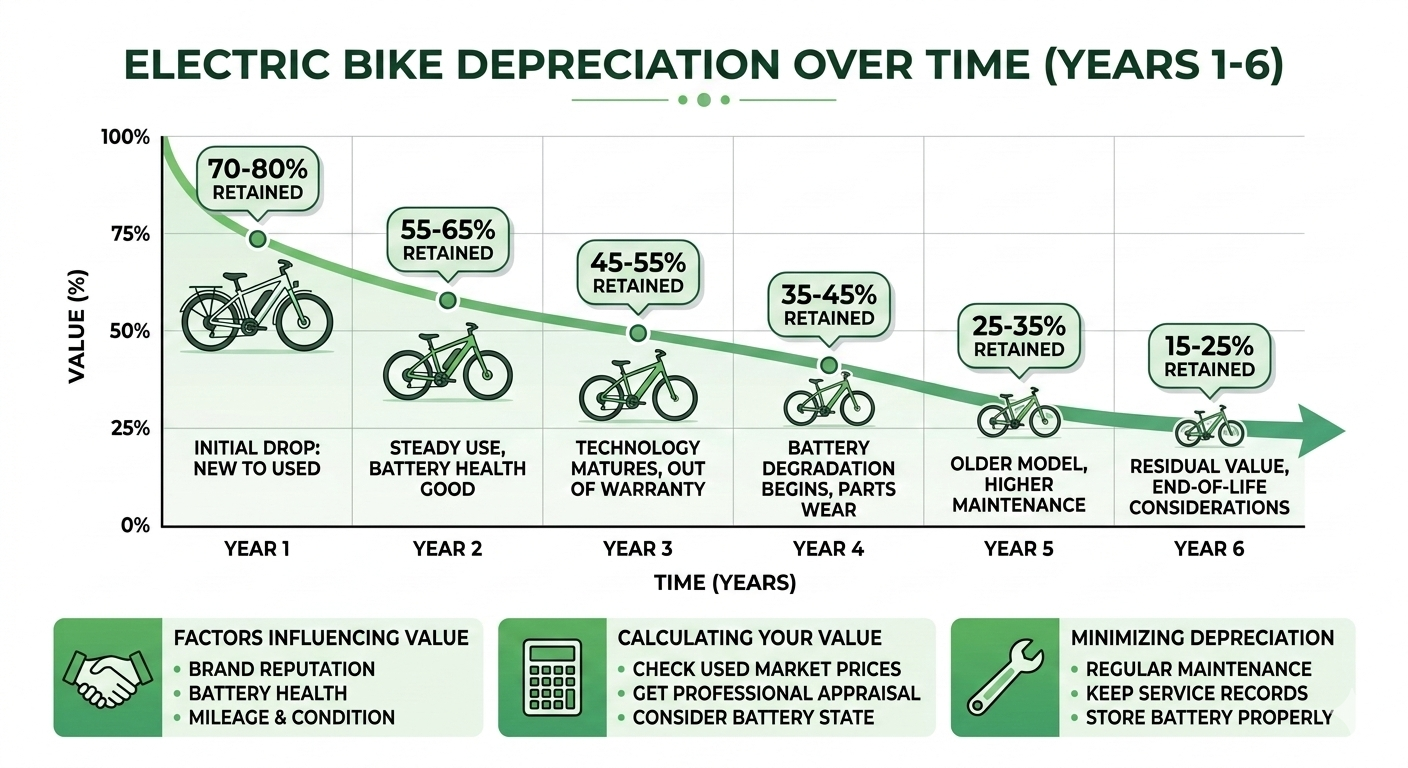
As a rough rule, most e-bikes lose value fastest in the first two to three years, then the curve starts to flatten out. That said, battery condition matters more than calendar age once a bike is a few years old.
- 0–1 years old: often still expensive, especially if retailer-backed or barely used
- 2–3 years old: usually the sweet spot for value if the battery is still strong
- 4–6 years old: pricing becomes more dependent on battery health and motor condition than age alone
- 7+ years old: prices can drop sharply unless it’s a sought-after premium bike in excellent condition
Battery health can change the price dramatically
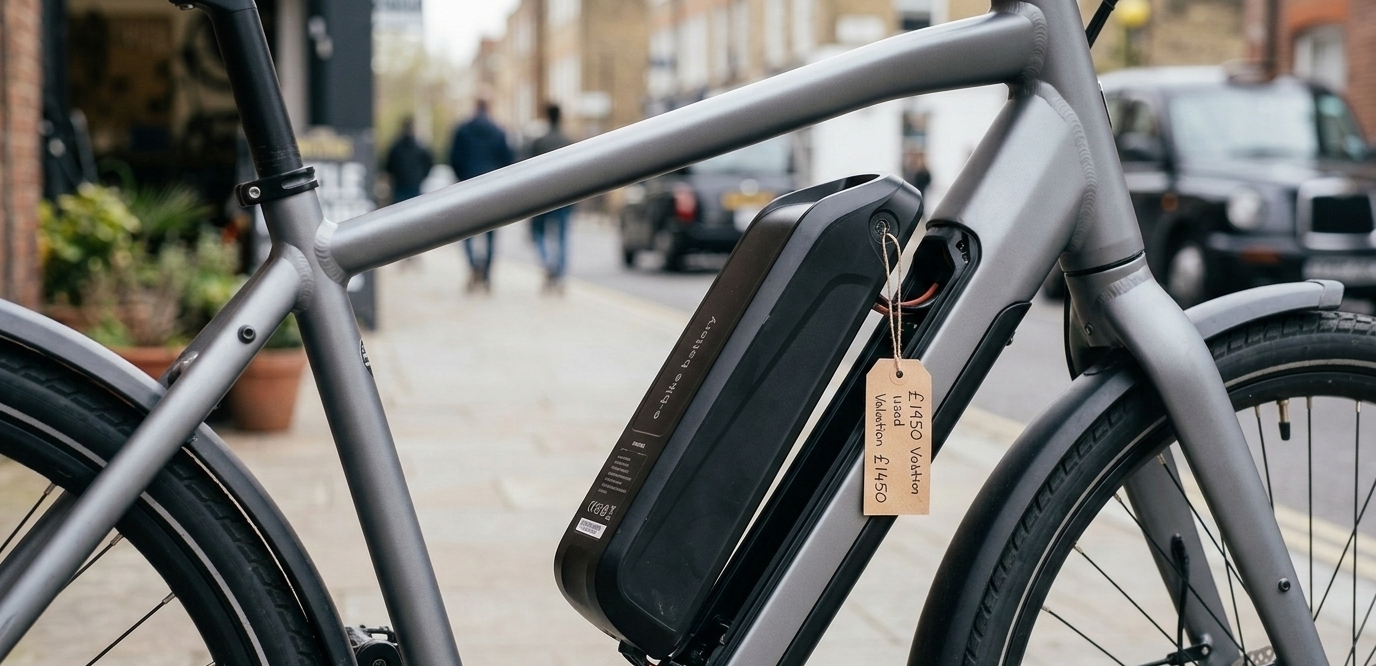
This is where a lot of buyers come unstuck. A bike that looks cheap can stop looking cheap very quickly if the battery needs replacing. In many cases, a strong battery can be worth the difference between a bike feeling like a bargain and a money pit.
- Battery grade A: usually helps justify stronger pricing
- Battery grade B: still fine for many buyers, but may soften the price slightly
- Battery grade C: reduced range should be reflected in the asking price
- Battery grade D: expect a heavy discount unless a replacement has already been factored in
If a seller can’t clearly explain battery condition, charging habits or real-world range, proceed carefully. It’s also wise to read our guide on how to spot a scam e-bike listing in the UK, especially if the deal seems suspiciously cheap.
Retailer stock vs private seller prices
Bikes sold by retailers, refurbishers or clearance outlets often cost more than private-sale bikes, but there’s usually a reason for that.
Retailer / refurbished stock
- Usually priced a bit higher
- May include a warranty or some comeback
- Often checked, serviced or repaired before sale
- Can include ex-display, shop-soiled or customer return bikes
Private seller bikes
- Usually cheaper
- Better chance of finding a bargain
- But more risk if history is vague
- Condition can vary massively from one bike to the next
Quick guide: what your used e-bike might be worth
If you’re selling, here’s a rough way to think about it:
- Clean premium brand, healthy battery, tidy condition: aim toward the top end of the range
- Average bike with normal wear: middle of the range is usually realistic
- Visible wear, weak battery, or vague history: expect to price more aggressively
- Faulty motor or battery: value can drop sharply unless sold as a refurb project or spares/repair bike
Final word
The best used e-bike price is not the highest price you can dream up. It’s the price that reflects the current market, the bike’s true condition and what a sensible buyer is likely to pay. If you’re buying, use this guide to sanity-check listings. If you’re selling, use it to price realistically and avoid your bike gathering dust for weeks.